
The Best Mats for Kickboxing: A Guide to Choosing the Right Training Mat
Whether you are practising kickboxing at home, training in a dedicated martial arts studio or running sessions at a gym, having the right flooring can make a significant difference to your training.
Kickboxing involves a combination of punches, kicks, footwork, movement, and conditioning exercises. With so much movement taking place, it is important to train on a surface that offers the right balance of grip, cushioning, and stability.
But with so many different types of exercise and martial arts mats available, how do you know which one is right for you?
In this guide, we will explore what to look for when choosing a kickboxing mat, the different options available and how to find the best solution for your training environment.
Why Is Choosing the Right Kickboxing Mat Important?
Unlike some forms of exercise, kickboxing involves constant movement and changes of direction. From pivoting on your feet to performing powerful kicks and practising combinations, your flooring needs to support a wide range of movements.
Choosing a suitable training mat can offer several benefits:
- Impact absorption: Provides cushioning during conditioning exercises, floor-based movements, and accidental falls.
- Grip and stability: Helps maintain secure footing when moving, pivoting, and changing direction.
- Comfort: Creates a more comfortable surface for longer training sessions.
- Floor protection: Helps protect the underlying floor from equipment, repeated impacts, and general wear.
- A dedicated training space: Creates a suitable environment for practising techniques and developing your skills.
The key is finding a mat that provides sufficient cushioning without compromising your ability to move freely.
What Type of Mat Is Best for Kickboxing?
There is not necessarily one perfect mat for every kickboxing environment. The best choice will depend on how you train, the available space and the level of impact your flooring needs to accommodate.
Here are some of the main options to consider.
1. PVC Exercise Mats
PVC exercise mats are a practical option for home workouts, fitness classes, and general conditioning exercises.
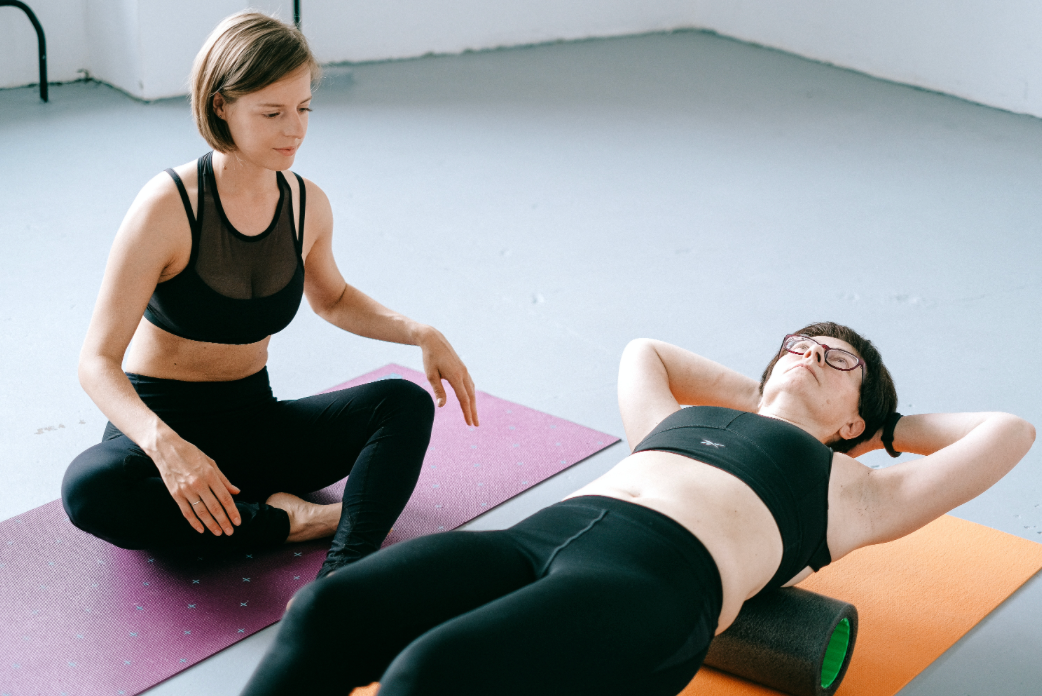
They provide a cushioned surface for activities such as sit-ups, stretching, core exercises and bodyweight training. Their lightweight construction also makes them easy to move, store and clean.
Best suited for:
- Home kickboxing workouts.
- Warm-ups and stretching.
- General fitness and conditioning.
- Floor-based exercises.
For kickboxing sessions that involve a lot of standing footwork, make sure the mat has sufficient grip and a stable surface.
2. High-Density Martial Arts Mats
For more dedicated martial arts training environments, high-density foam mats can provide a more suitable solution.
These mats are designed to provide a firmer, more supportive surface than traditional exercise mats. This can be particularly useful when practising techniques, moving around the training area or incorporating other martial arts activities.
Best suited for:
- Martial arts studios.
- Dedicated training areas.
- Multi-purpose combat sports facilities.
- Training environments where added cushioning is needed.
It is important to select a mat designed for the level of impact involved. A mat suitable for kickboxing footwork may not necessarily provide adequate protection for throws, takedowns, or sparring.
3. Interlocking Training Mats
Interlocking mats are a particularly useful option when creating a larger kickboxing training area.
Rather than relying on one large mat, individual sections connect to create a continuous training surface. This allows you to expand your training area depending on the available floor space.
They are also relatively straightforward to install, rearrange and store when needed.
Best suited for:
- Home gyms.
- Martial arts clubs.
- Commercial fitness facilities.
- Larger training spaces.
When selecting interlocking mats, look for secure connections that minimise movement between sections during training.
Five Things to Consider When Choosing a Kickboxing Mat
Before buying a training mat, there are several key factors worth considering.
1. Thickness and Cushioning
One of the first things to consider is the thickness of your mat.
Thicker mats provide more cushioning, which can be beneficial for floor exercises and activities involving falls. However, thicker is not always better.
Kickboxing involves a lot of standing movement, footwork, and pivoting. A surface that is excessively soft or unstable can make it more difficult to maintain balance and perform techniques correctly.
For general kickboxing fitness and conditioning, a thinner, firmer exercise mat may be sufficient. For dedicated martial arts training, consider a purpose-designed martial arts mat with a suitable density and impact rating.
2. Grip and Surface Texture
Grip is particularly important when kickboxing.
You need a surface that allows you to move confidently without slipping, while still allowing your feet to pivot naturally when performing kicks and combinations.
Look for a mat with a suitable non-slip surface that provides stability without being excessively abrasive.
It is also worth considering whether you will be training barefoot or wearing footwear, as this can influence which surface is most appropriate.
3. Available Training Space
Think about how much room you need to train comfortably.
A small exercise mat might be perfectly suitable for individual conditioning exercises, but it will not provide enough space for practising combinations, moving around, or working with a training partner.
If you have limited space, individual mats that can be stored away after use may be a good option.
For clubs and commercial facilities, larger interlocking systems can help create a dedicated training area.
4. Durability and Maintenance
Training mats are exposed to repeated movement, friction, sweat, and general wear.
Choosing a durable material that is easy to clean will help keep your training space in good condition.
Consider:
- Whether the surface can be wiped clean easily.
- How resistant the material is to everyday wear.
- Whether the mat is suitable for frequent use.
- Whether individual sections can be replaced if damaged.
Regular cleaning and maintenance are particularly important in shared training environments.
5. Your Type of Training
The most important consideration is how you intend to use your mat.
Are you primarily practising kickboxing combinations and footwork? Are you incorporating strength and conditioning exercises? Or are you training in a martial arts environment where sparring and other combat sports activities take place?
Different activities place different demands on flooring.
Always choose a mat designed for your intended use, rather than simply opting for the thickest or most heavily cushioned option available.
What Size Mat Do You Need for Kickboxing?
The size of your mat will depend on the type of training you plan to do.
As a general guide:
- Individual workouts: A standard exercise mat can provide enough space for stretching warm-ups and floor-based conditioning.
- Home kickboxing training: A larger dedicated area is preferable, allowing you to practise combinations and move around without stepping off the mat.
- Club and studio training: Multiple connected mats can provide a larger, more consistent training surface for individuals and groups.
Remember to account for the space needed to move safely. You should be able to extend your arms and legs, practise kicks, and change direction without being restricted by surrounding furniture or equipment.
How to Look After Your Kickboxing Mats
Once you have invested in suitable training mats, looking after them will help maintain their condition and extend their lifespan.
A few simple steps can have an influence:
- Wipe down your mats after training to remove sweat and dirt.
- Use cleaning products recommended by the mat manufacturer.
- Allow mats to dry fully before stacking or storing them.
- Regularly inspect the surface for tears, damage, or deterioration.
- Store removable mats somewhere clean and dry, away from excessive heat and direct sunlight.
For commercial gyms and martial arts clubs, establishing a regular cleaning routine is particularly important.
Find the Right Training Mat with Beemat
Choosing the right kickboxing mat does not need to be complicated. The most important thing is understanding your training requirements and finding a surface that offers the right combination of cushioning, stability, grip, and durability.
Whether you are creating a home workout space or equipping a dedicated training facility, investing in suitable flooring can help create a more comfortable and practical training environment.
At Beemat, we offer a range of exercise and training mats designed to support different activities, fitness levels, and training environments.
Explore our range and find the right mat to help you make the most of your training.
Discover the Beemat range and make your training space work for you.